
Research
Molecular and Epigenetic Mechanisms
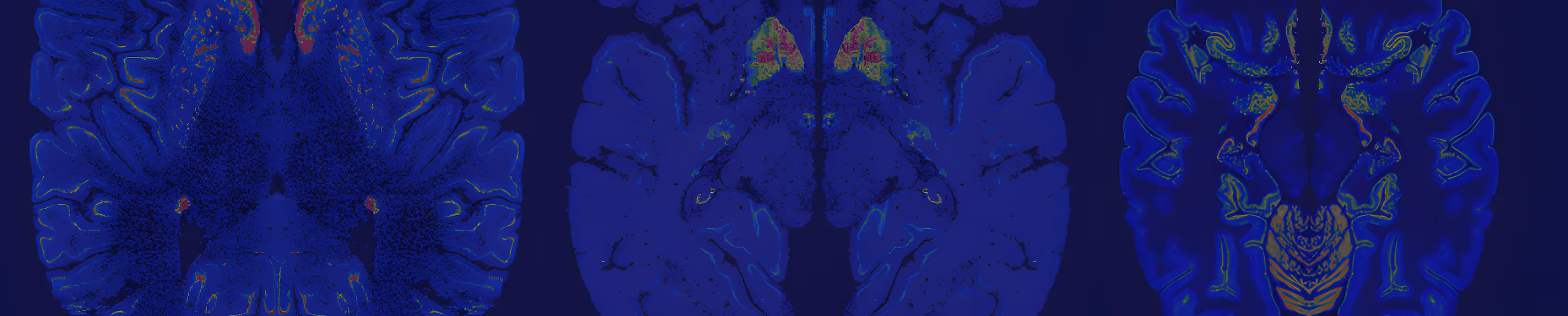
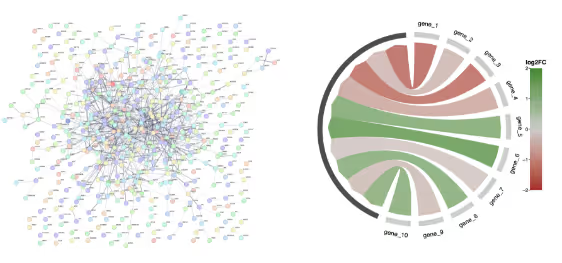
Combining standard molecular biological techniques such as in situ hybridization, qPCR, and biochemical assays with innovative methods such as next-generation sequencing and viral-mediated manipulations of discrete neuronal pathways, the Hurd Lab investigates neurobiological disturbances associated with addiction to a variety of substances (heroin, cannabis, cocaine). Epigenetic mechanisms, including DNA methylation, histone modifications, and microRNAs, are also evaluated in relation to the regulation of gene expression within distinct neuronal populations of the human and rodent brain.
Human Brain Studies
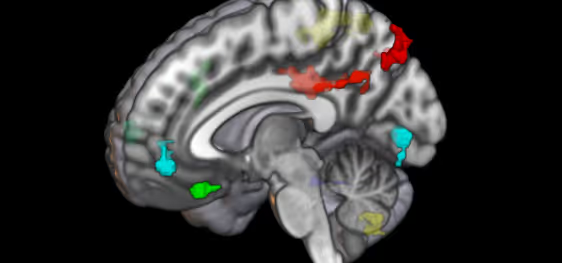
Another significant part of our research engine is our long-standing translational efforts to study the neurobiological effects of human substance abuse through the direct examination of post-mortem human brain tissue. Through molecular, biochemical, and in vivo imaging studies of the human brain, we also work to understand the relationship of genetics and early life factors to neurobiological systems underlying addictive and related affective disorders.
Pre-Clinical Models
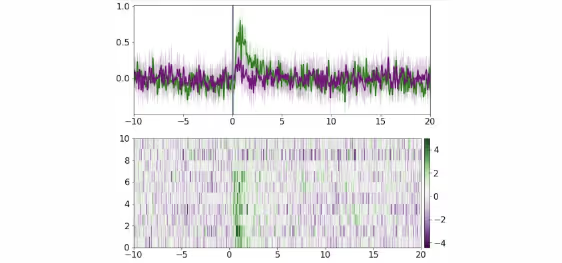
We conduct pre-clinical studies in rodent models designed to mimic patterns of substance use in humans including heroin self-administration paradigms that replicate molecular alterations observed in human heroin users. We also investigate the impact of prenatal and adolescent cannabis exposure seen in humans to further explore the molecular basis for clinical symptoms observed in human subjects. The Hurd Lab is a pioneering leader studying not only the developmental effects of THC (the main psychoactive component of cannabis), but also its transgenerational impact in relation to vulnerability to addictive disorders and comorbid psychiatric disturbances such as anxiety and depression.
Cutting-Edge Molecular Neurobiology
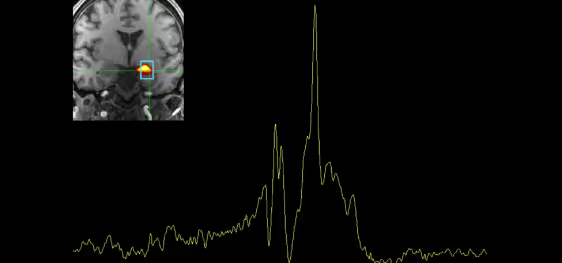
The Hurd Lab uses state-of-the-art technology to analyze human and animal tissues. Additionally, we use non-invasive neuroimaging techniques such as PET, MRS, fMRI, and small animal MRI to determine real-time changes in neural activity, neurotransmitter levels, and drug distribution, as well as structural changes in the brain. We pioneered DREADD-assisted metabolic mapping (DREAMM), a technique combining molecular pharmacogenetic and in vivo imaging strategies to provide high-resolution quantitative mapping of functional brain circuits associated with disturbance of genes expressed in specific cell populations.
.avif)
Clinical Trials
Innovative translational research being the backbone of our work, some of our most exciting research efforts relate to clinical studies of substance use disorder and intervention involving human subjects. Currently, we are conducting clinical research with cannabidiol (CBD), a non-intoxicating cannabinoid compound from the cannabis plant, that our pioneering animal studies had demonstrated to inhibit heroin-seeking behavior. We now investigate CBD for its novel and potential role in preventing relapse in opioid use disorder, reducing anxiety/stress reactivity, and improving overall cognitive function. We have successfully completed Phase I and Phase II studies of this CBD program and are now carrying out multisite Phase III clinical trials.

Philosophy
We approach our research with empathy and aim to reduce the stigma of substance use while seeking pathways to treatment.

Media
Sharing our research discoveries with the scientific community and the general public across a range of media.

Join Us
We welcome people from diverse personal and professional perspectives who are passionate about addiction research.
